-

- EN
-
Gold pigment powder has become a favorite material among artists, designers, and DIY enthusiasts for one simple reason: it turns ordinary surfaces into luminous, eye-catching creations. With its rich metallic sheen and remarkable versatility, gold pigment can elevate everything from fine art to home décor and custom crafts.
Whether you are working with paint, resin, or coatings, understanding how to properly use and mix gold pigment powder is key to achieving a refined, professional finish. This guide covers what gold pigment powder is, how to use it effectively, and practical techniques to unlock its full visual potential.
Gold pigment powder is a finely milled effect pigment designed to produce a metallic or pearlescent gold appearance. Unlike traditional color pigments that rely purely on absorption, gold pigments interact with light through reflection and interference, creating depth and brilliance.
Most modern gold pigment powders fall into two main categories:
Mica-based pearlescent pigments: Produced by coating mica flakes with metal oxides such as titanium dioxide or iron oxide, delivering a soft, shimmering gold effect
Synthetic effect pigments: Engineered for higher consistency, purity, and performance in demanding applications
Mica-based pearl pigments are widely used because they offer a balanced combination of cost efficiency, visual performance, and compatibility across coatings, plastics, inks, and cosmetics.
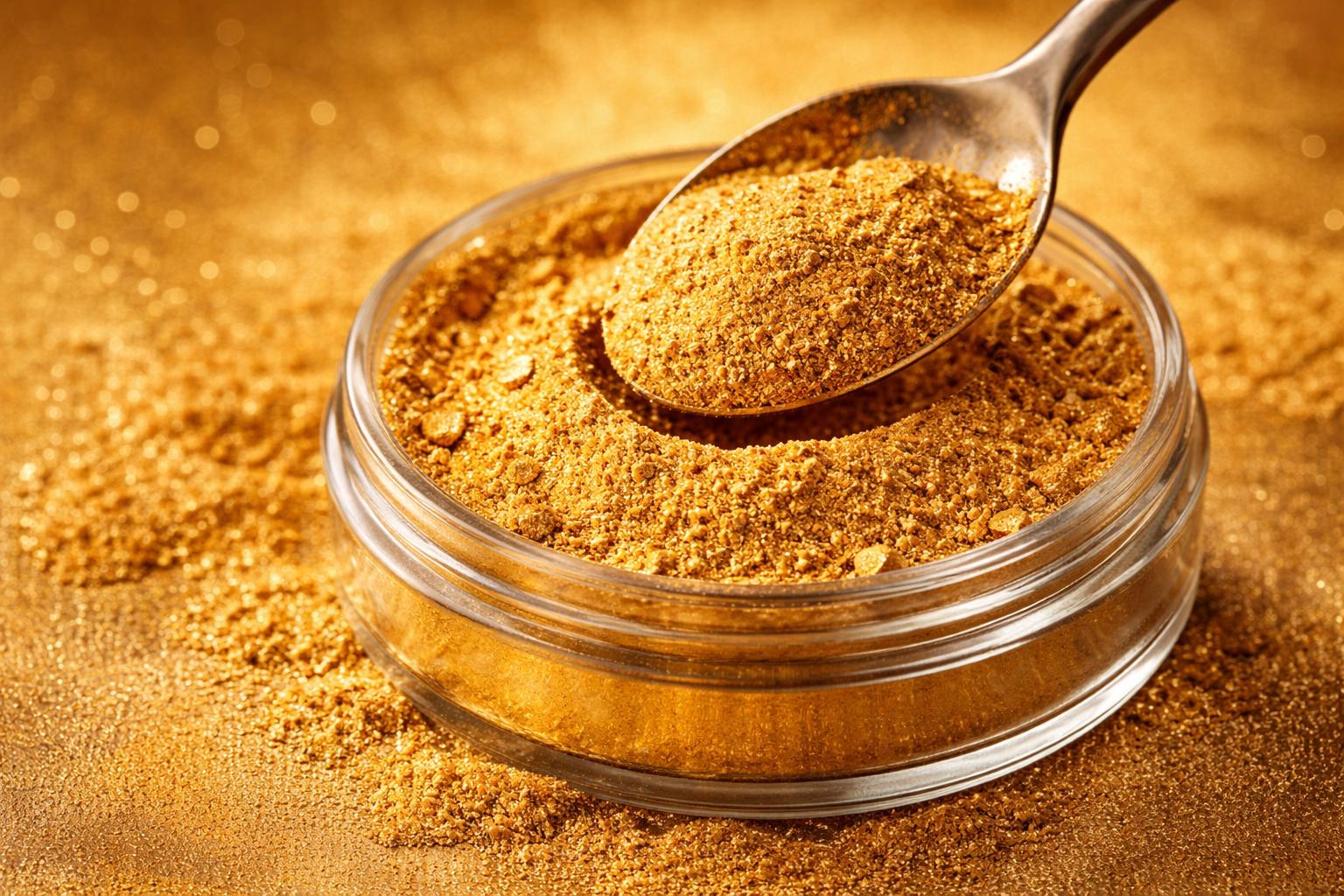
Using pearl gold pigment powder in art requires a strategic approach to achieve the desired effect. Follow these steps for optimal results:
Choose the Right Medium: Gold pigment powders can be mixed with various mediums, including acrylics, oils, and resins. Select a compatible medium based on your artwork style.
Measure Accurately: Start with small amounts—usually 1:3 of pigment to medium. This ratio ensures the pigment's vibrancy without overwhelming the base medium.
Mix Thoroughly: Use a palette knife or mixing tool to combine the pigment and medium. Ensure there are no lumps to achieve a smooth application.
Test It Out: Before applying to your main artwork, test the mixture on a separate canvas or paper. This step helps gauge the dynamic of color and finish.
Layering Techniques: For depth, experiment with layering different applications of gold pigment. Apply multiple thin coats to build up intensity.
These steps will help facilitate successful integration of gold pigment powder into your artistic practice, leading to visually captivating pieces.
The right technique for mixing gold pigment powder can greatly impact the final appearance of your artwork. Here are some best practices to consider:
Use a Binder: Adding a binder, such as gum arabic or acrylic medium, can improve adhesion and longevity, especially for paper or canvas applications.
Mind the Opacity: Depending on the desired opacity, adjust the pigment amount. For a translucent effect, reduce the pigment usage; for an opaque finish, increase it.
Temperature Matters: Warmer temperatures can affect the mixing process. If the pigment is too dry, lightly mist it with water or medium to enhance consistency.
Storage Solutions: Store unused pigment powder in an airtight container to prevent moisture absorption, which can lead to clumping and difficulty in mixing later on.
By applying these best practices, artists can ensure their gold pigment powder is effectively mixed and showcases its full potential.
Gold pigment powder offers endless possibilities in the realm of DIY projects. From home décor to custom gifts, here are some innovative ideas:
Decorative Art Pieces: Create stunning canvas art by using gold pigment mixed with acrylics to produce unique backgrounds or focal points.
Customized Jewelry: Incorporate gold pigment into resin to craft one-of-a-kind jewelry pieces that dazzle with a luxurious touch.
Planter Designs: Add a splash of glamour to plain pots by mixing gold pigment into paint or sealing wax, perfect for indoor plants.
Handmade Greeting Cards: Elevate your card-making skills by dusting gold pigment on wet ink for an eye-catching sparkle.
For reliable and high-quality pigments, consider sourcing from Guangxi Chesir Pearl Material Co., Ltd., known for its extensive range of pearlescent pigments suitable for various applications.
When selecting a supplier, consistency and quality control are critical. Key factors to evaluate include:
Particle size distribution
Coating uniformity
Batch-to-batch consistency
Compliance with safety and industry standards
Professional manufacturers such as Guangxi Chesir Pearl Material Co., Ltd. specialize in high-performance pearlescent pigments suitable for coatings, plastics, and decorative applications.
In addition, sourcing options include:
Specialized pigment manufacturers (best for B2B and industrial use)
Professional art supply distributors
Online marketplaces (suitable for small-volume purchases)
Always review technical datasheets and, if possible, request samples before large-scale use.
Gold pigment powder is a versatile material that can add rich metallic effects to artwork, crafts, coatings, and a wide range of DIY applications. By understanding the right mixing and application methods, users can achieve more consistent and visually striking results. As one of the established pearl pigment manufacturers, Chesir offers a broad selection of pearlescent pigment solutions to support different color, effect, and application requirements.