-

- EN
-
Working with pigment powder in resin opens up a world of creative possibilities for artists, crafters, and DIY enthusiasts. Whether you're creating stunning jewelry, abstract artwork, or custom decor, understanding how to incorporate these colorants effectively is key to achieving professional results.
Mica powder pigment is a fine, shimmering powder derived from natural mica minerals, often coated with oxides or other colorants to produce a wide array of hues. It's widely used in cosmetics, paints, and crafts due to its ability to add pearlescent sheen and depth. In resin art, mica powder creates iridescent effects that catch the light beautifully, making pieces appear dynamic and multi-dimensional. This natural shimmer distinguishes it from other pigments, allowing for effects ranging from subtle glows to bold metallics. Chesir's mica powders are finely milled for smooth integration, free from harmful additives, and available in a diverse range of colors to suit any artistic vision.
Absolutely, pigment powder is an excellent choice for coloring resin. It mixes seamlessly with epoxy or polyester resins to produce vivid, customizable shades without affecting the resin's curing process when used in appropriate amounts. Unlike traditional paints, which may separate or cloud the resin, high-quality powders like those from Chesir bond effectively, resulting in clear, durable finishes.
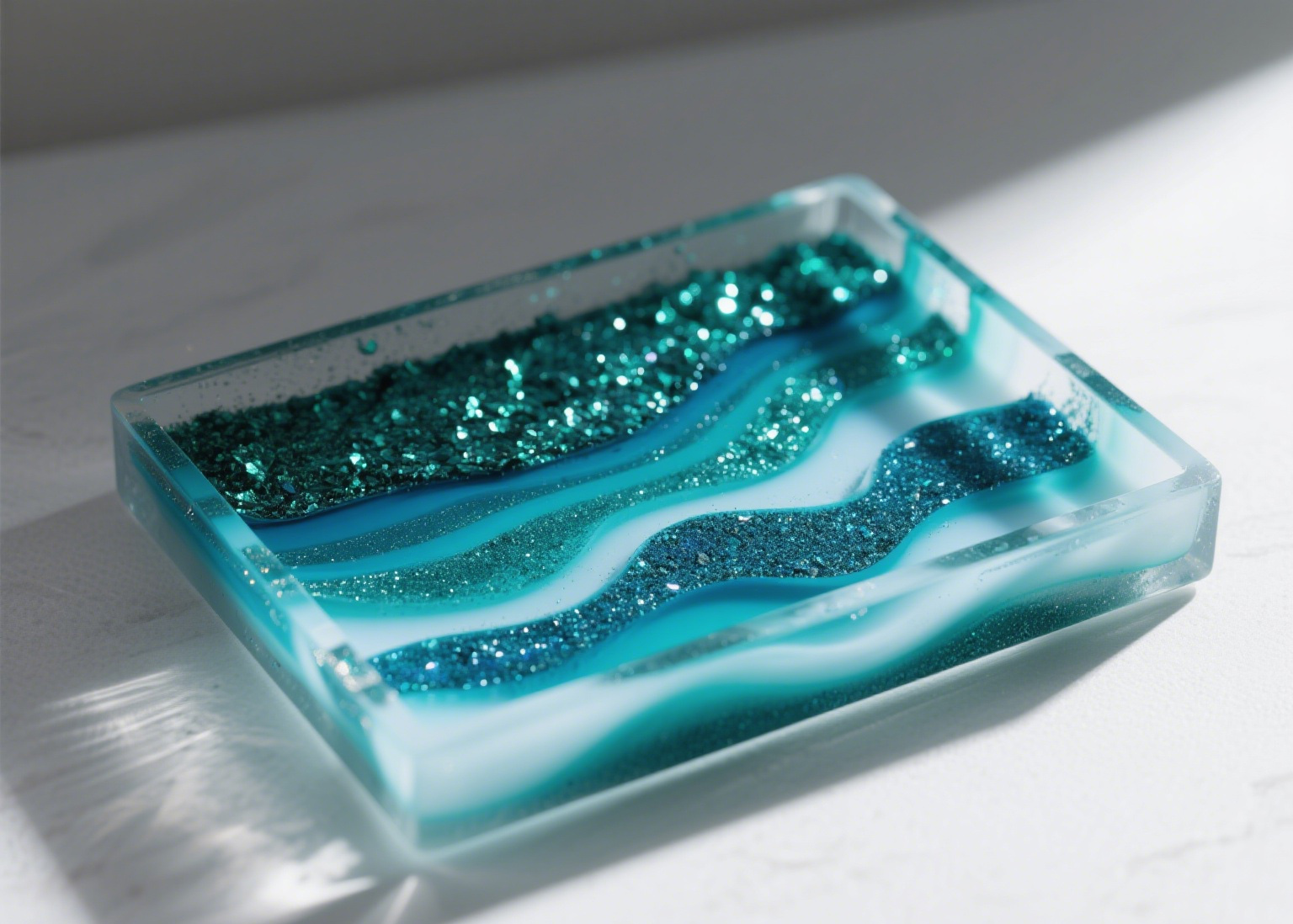
Pigment powder transforms the color profile of resin artwork by introducing vibrancy, opacity, and reflective qualities that plain resin lacks. When added to clear resin, it disperses evenly to create uniform tints or bold hues, with the particle size influencing light reflection for a shimmering depth.
The amount of powder used directly impacts the outcome: minimal quantities yield translucent, ethereal colors ideal for ocean wave simulations, while higher concentrations produce opaque, saturated tones for statement pieces. This versatility allows artists to experiment with metallics, pastels, or fluorescents, enhancing the artwork's visual interest and longevity, as the colors resist fading over time.
First, prioritize quality and purity—look for non-toxic, lightfast options that won't degrade under UV exposure. As an experienced pearl pigment supplier, Chesir maintains strict quality control and testing standards to ensure consistent color performance, smooth dispersion, and minimal clumping in resin applications.
Consider color vibrancy and potency; a small amount should suffice for strong pigmentation, maximizing value. Check for fineness of the grind, as finer powders mix more easily and provide smoother finishes. Additionally, verify compatibility with your resin type to avoid reactions.
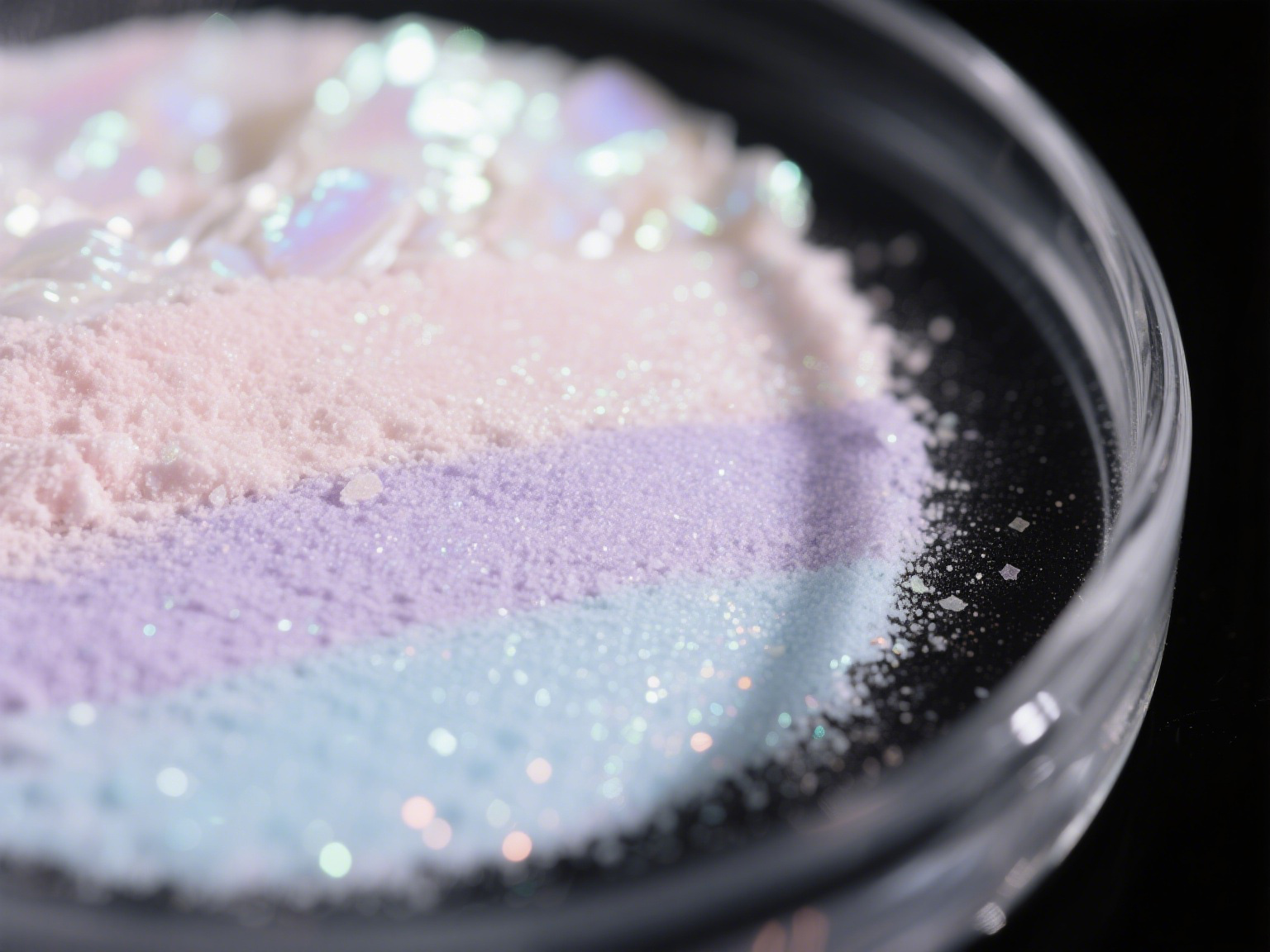
Powder pigments bring numerous advantages to resin crafting. They enable high pigment loading for intense colors without overwhelming the resin's viscosity, leading to smoother pours and reduced air bubbles. Their small particle size ensures even distribution, preventing settling and waste, which translates to cost savings over time.
Additionally, powders impart superior gloss and durability, with colors that maintain brilliance longer than liquids. They're highly versatile, compatible with various mediums beyond resin, such as paints or cosmetics, and their dry state extends shelf life indefinitely when stored properly. For artists, the ability to create custom blends fosters creativity, while Chesir's eco-friendly formulations add an ethical appeal, making them a sustainable choice for vibrant, professional-grade results.
Mixing powder pigment into resin is straightforward but requires care for even results. Begin by preparing your resin according to the manufacturer's instructions, mixing Parts A and B thoroughly in a well-ventilated area while wearing gloves and a mask.
Measure a small amount of Chesir pigment powder—start with 1-2% by weight of the resin to avoid over-saturation. Gradually sprinkle it into the mixed resin, stirring gently with a wooden stick or spatula to prevent clumps. Continue adding and mixing until the desired color is achieved, then let the mixture sit briefly to release any trapped air.
Pour into your mold or onto your surface, and allow it to cure fully. For advanced effects, incorporate tools like heat guns for cell creation or layer different colors. Always test small batches first, as environmental factors like humidity can influence the final outcome.
By following these guidelines and using Chesir's premium pigments, you'll unlock endless creative potential in your resin work. Explore our collection for the best in quality and variety.